



Yemen
The humanitarian crisis in Yemen’s displacement camps has worsened since the World Food Programme in April halted food shipments and suspended their distribution in Houthi-held areas.
It took the decision after the rebels looted one of its warehouses in the north resulting in a loss of almost $2 million worth of aid, the latest friction between the Houthis and the United Nations.
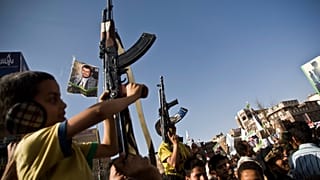
In recent months, the rebels have detained dozens of UN staffers, as well as people associated with aid groups, civil society, and the once-open US Embassy in Sanaa.
UN agencies had already halted operations in the Houthi stronghold of Saada in February, after seven WFP staffers and another UN worker were detained, with one person dying in prison.
While it continued low-level operations in other parts of Yemen under the Houthis’ control, the suspension was a further blow to the war-torn country, where hunger has been growing.
In February, the WFP said 62 per cent of households it surveyed could not get enough food, a figure that has been rising for the past nine months.
Around 2,000 displaced families live at Al-Suwayda, the second largest displacement camp, in the Marib Governorate, some 120km east of the capital, Sanaa.
The area hosts around 60 per cent of those displaced by the country’s civil war according to Khaled Al-Shajani, Assistant Director of the Displacement Unit Marib Governorate.
He says thousands of people in the area are at risk of hunger as they rely on aid for their daily food and medical needs.
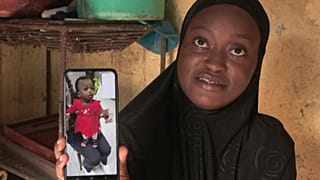
Masada Hadi, a displaced woman in the Al- Suwayda camp, urges the WFP to continue distributing aid so that they can feed their children.
“We cannot afford to buy flour, sugar, oil, or even a single egg, which now costs 500 rials. So where can we get it from? We have no farmland, no well to draw water from,” she said.
Al-Shajani says the situation has deteriorated further since US President Donald Trump’s administration cut off aid.
“The most recent impact was the US decision to halt many life-saving humanitarian activities and projects, whether in the health sector or in the areas of water and sanitation," he said.
The WFP is also providing food assistance to some 1.6 million people in southern Yemen, areas controlled by the government and its allies.
But it says this aid is also at risk because of Washington’s decision to cut off funding for its emergency programmes in Yemen.
The country has been torn by civil war for more than a decade.





Go to video
New calls for humanitarian truce in Sudan as peace talks resume in Cairo
Go to video
Egypt urges end to Sudan 'bloodshed' during peace coordination meeting in Cairo
00:53
United Nations says more than 50 Congolese refugees have died in Burundi
00:10
Somalia denies aid seizure as US suspends assistance over WFP warehouse claims
01:16
A displaced grandmother and her grandson burn to death in Gaza tent fire
02:01
UN Chief urges world leaders to choose peace over war in new year message